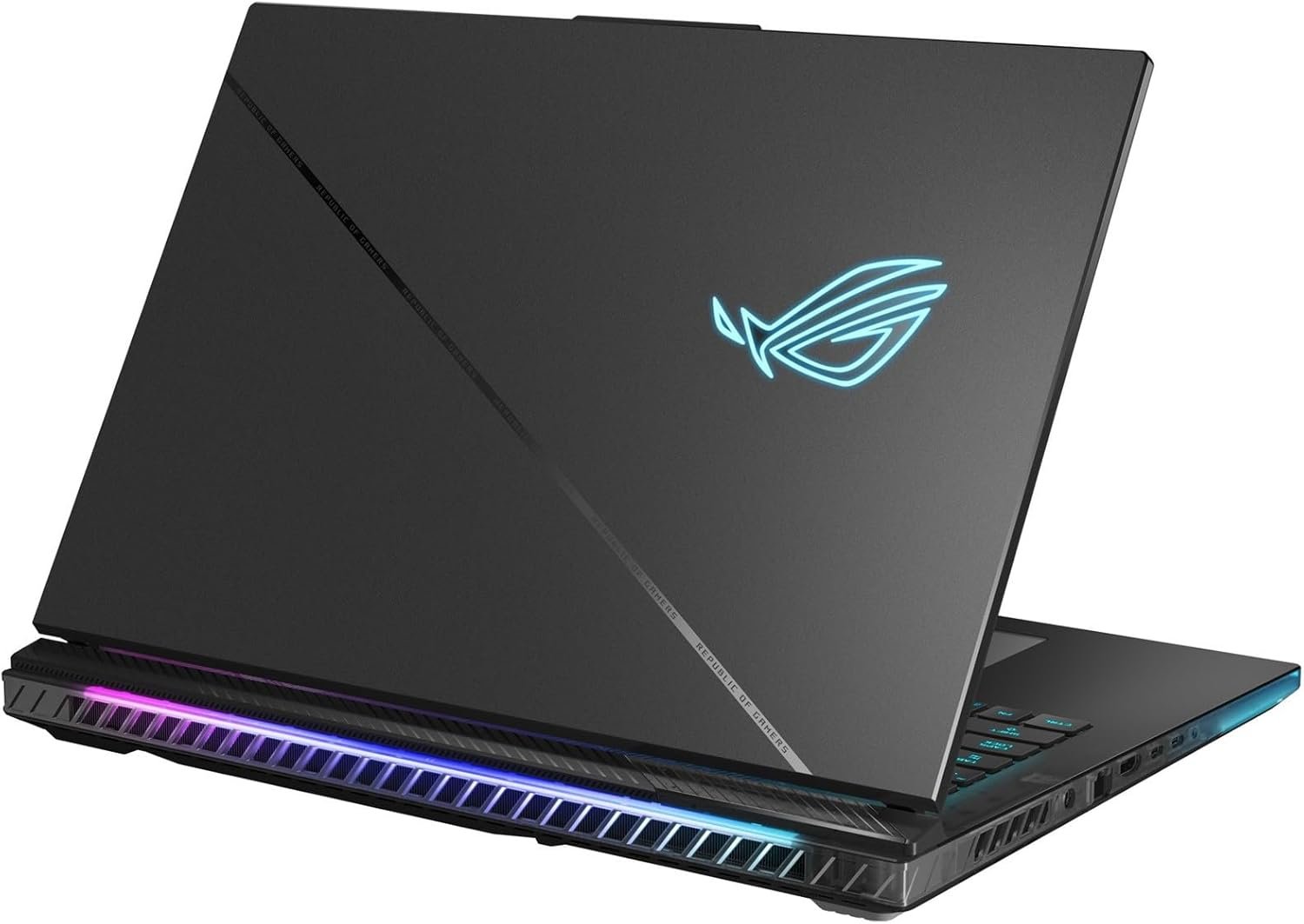
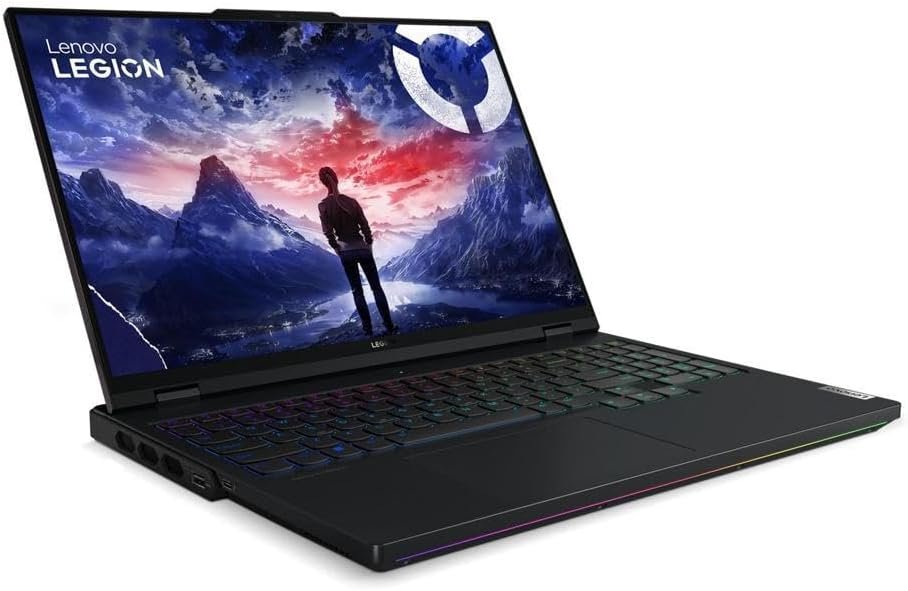
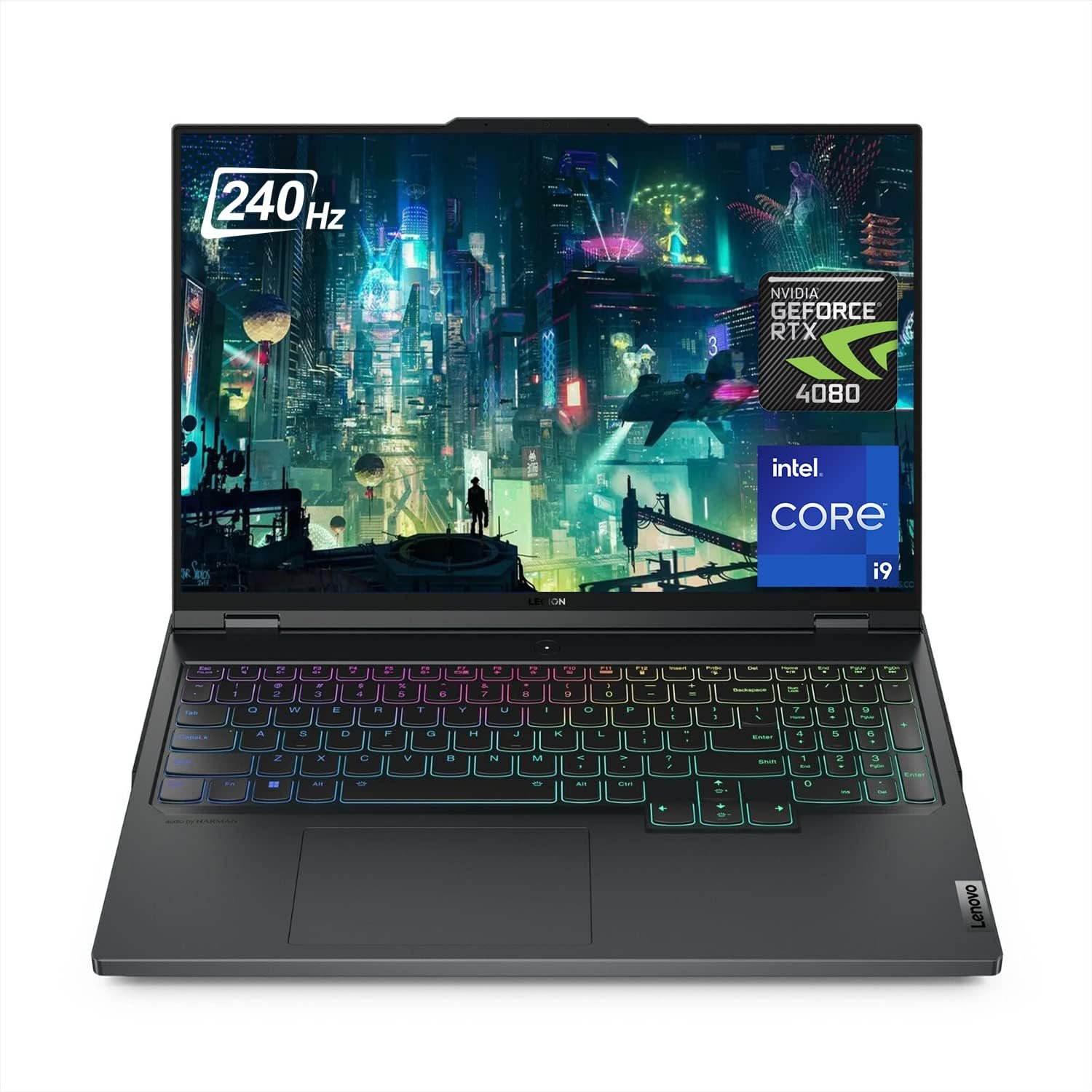
Have I finally found a portable machine that can be equally ruthless in gaming, merciful in content creation, and quiet enough to let me think in a coffee shop without feeling like I’m piloting a small turbofan?
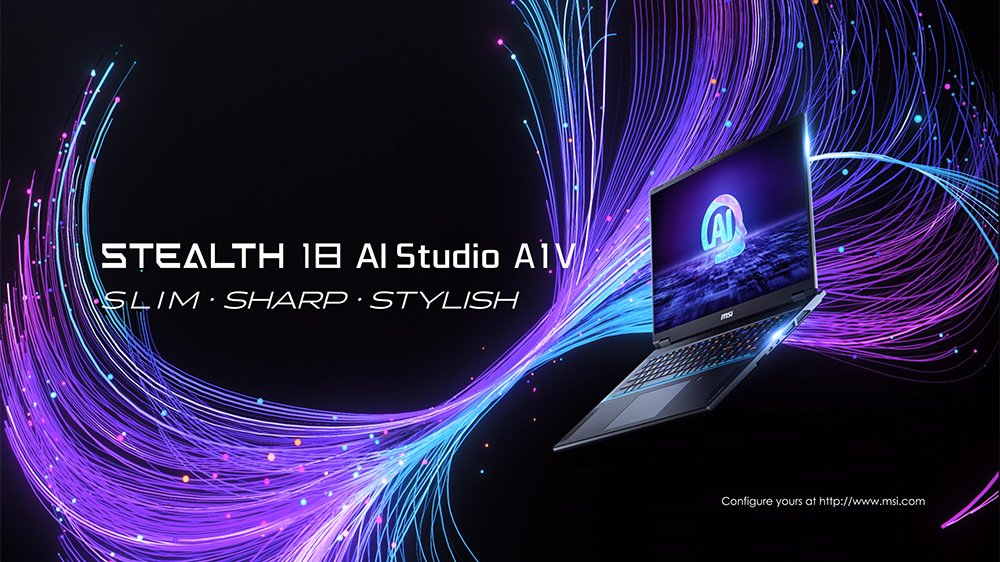
Overview
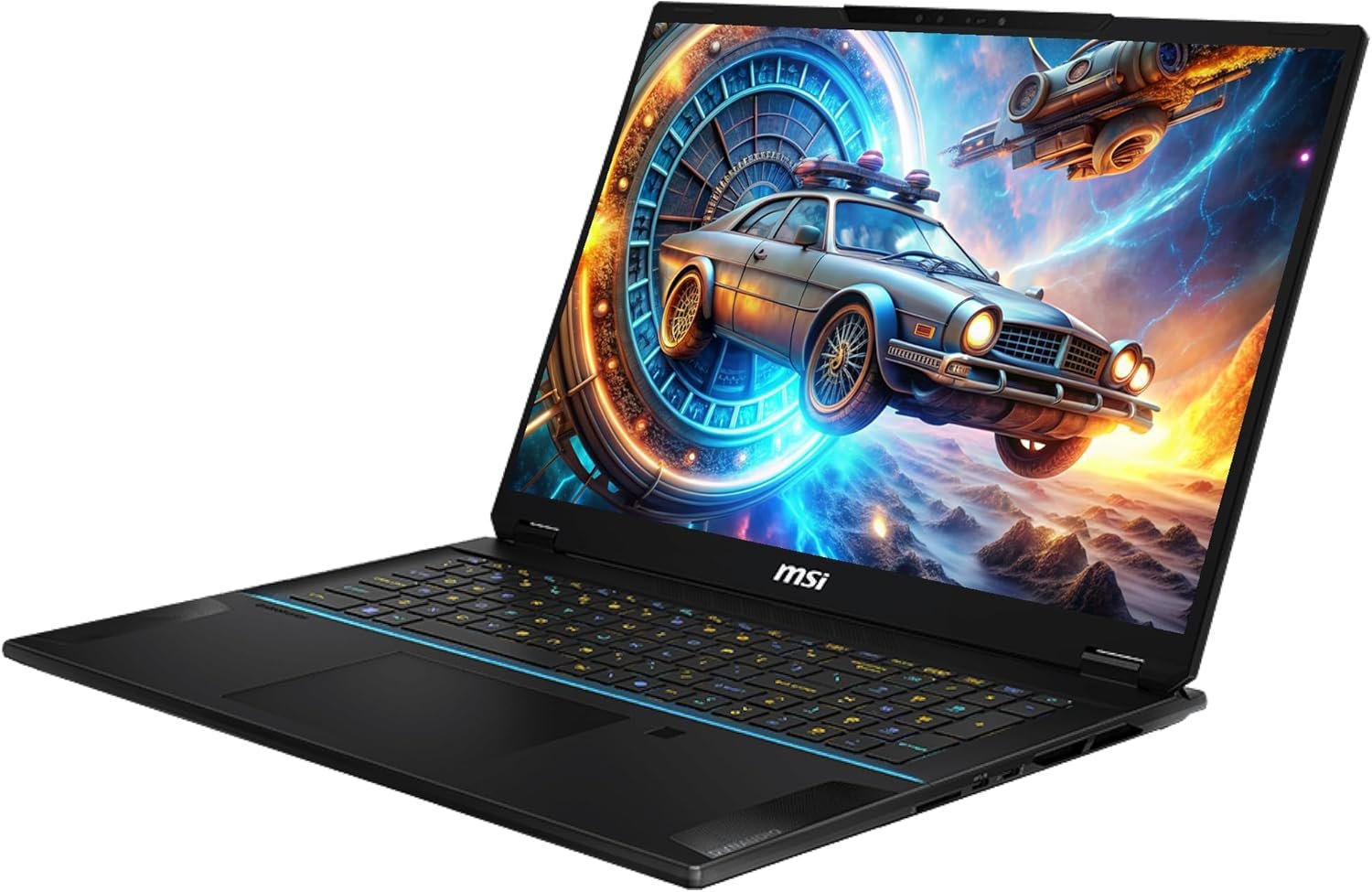
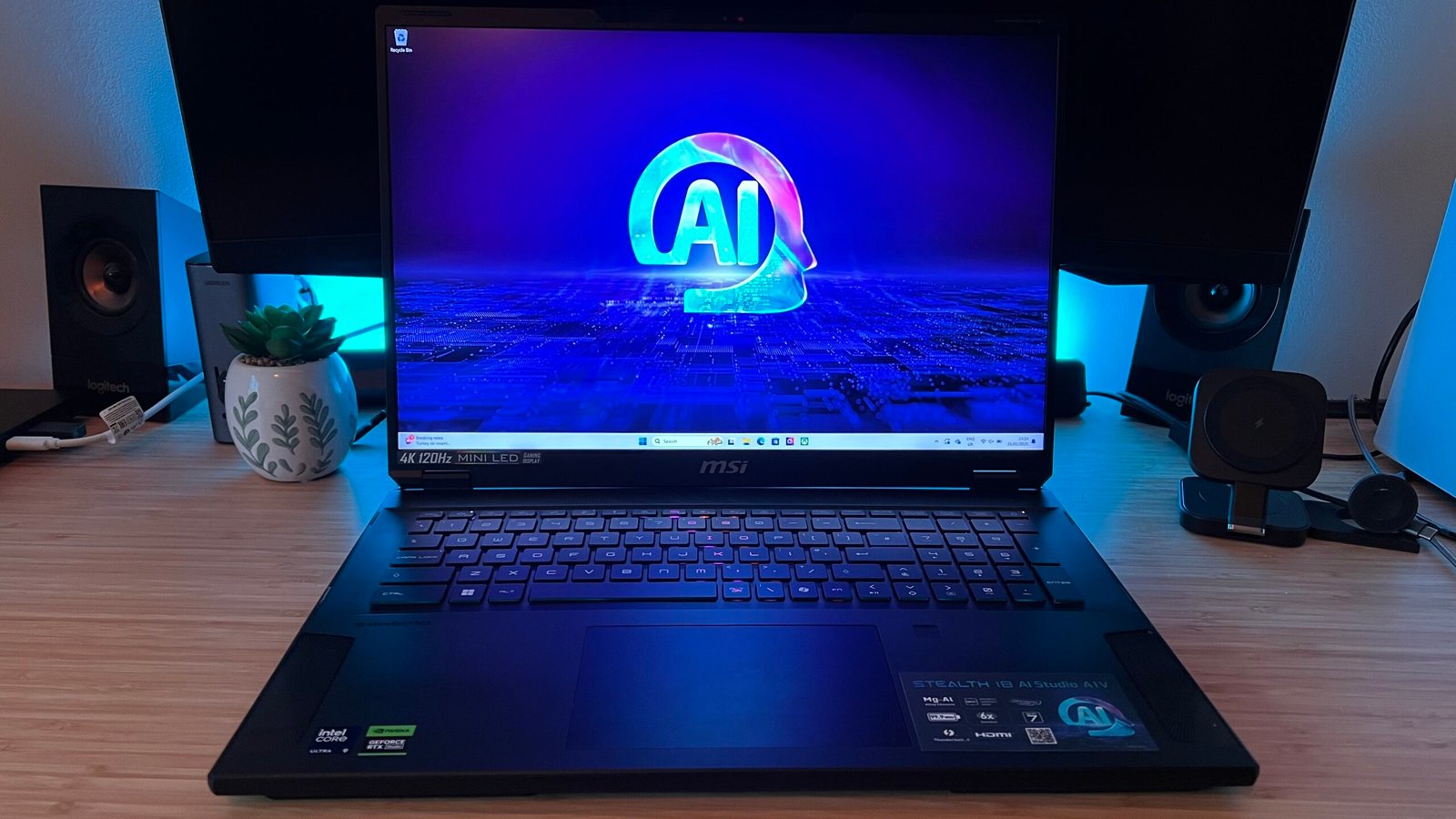
I am writing this review after spending substantial time with the MSI Stealth 18 AI Studio Gaming Laptop, Intel Ultra 9-185H, 32 GB DDR5 RAM, 1 TB PCle SSD, 18” QHD+ (2560×1600) 240Hz, Nvidia G-Force RTX 4080, Backlit Keyboard, W11 Pro, which is to say I have shifted between first-run gaming sessions, prolonged video editing exports, daily web-based work, and the small but telling minutiae of daily laptop ownership. My impressions are aimed to synthesize raw measurement-oriented evaluation and the qualitative feel—the kind of stuff you only notice when you’ve been using something for a week or longer and have regrets about its ergonomics or joy about its display.
The Concept and Purpose
MSI’s framing of the Stealth 18 as both “AI Studio” and “Gaming” is not just marketing-speak; it foregrounds an architectural tension the machine attempts to resolve: raw, GPU-accelerated compute for games and AI inference, married to an Intel Ultra 9-185H that promises multicore headroom for studio tasks while remaining mobile. I find that tension fascinating because it forces designers and engineers to make choices about thermals, battery behavior, and port distribution that materially affect user experience.
Who It’s For
I think the laptop primarily targets advanced gamers who also create—video editors, 3D artists, and developers running ML models on the go—and professionals who demand serious performance without the bulk of a full desktop replacement. If you need a machine that can run AAA titles at high frame rates and simultaneously manage fussy color-graded exports or local AI workloads, this is squarely within the consideration set.
Key Specifications
| Component | Specification |
|---|---|
| Processor | Intel Ultra 9-185H (3.8–5.1 GHz) |
| Operating System | Windows 11 Pro |
| Display | 18″ QHD+ (2560×1600) 240Hz, 100% DCI-P3 |
| Graphics | NVIDIA GeForce RTX 4080 Laptop GPU, 12 GB GDDR6 |
| RAM | 32 GB DDR5 |
| Storage | 1 TB PCIe SSD |
| Wireless | Killer WiFi 7 BE1750 |
| Bluetooth | BT 5.4 |
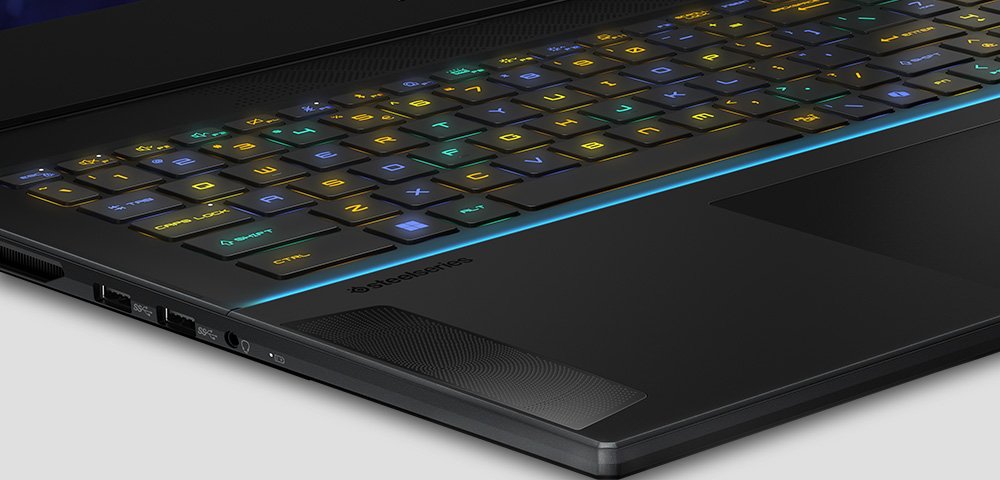
| Ports | 1x Thunderbolt 4 (DP2.1 & PD), 1x USB 3.2 Gen 2/DP, HDMI 2.1 |
Design & Build
The Stealth 18 carries the stealth aesthetic—if “stealth” here is shorthand for a laptop that wants to look restrained rather than ostentatious, which in MSI’s case it mostly does. I found the chassis to be both rigid and thoughtfully machined, with surfaces that don’t attract fingerprint oil quite as readily as some darker-finished laptops (but they still will).
Chassis and Materials
Construction feels premium: an aluminum alloy deck, reinforced hinge mechanism, and beveled edges that help the device read as expensive without being baroque. I noticed no unacceptable flex in normal typing positions, and the hinge offers a pleasantly damped resistance that sits comfortably when I type at odd angles.
Portability & Weight
At 18 inches the machine is not pretending to be ultralight; the size and mass are deliberate compromises for screen area and thermal headroom. I found it eminently portable for car-to-cafe or plane-to-hotel workflows, but it’s not a candidate for all-day lap use unless you like to live dangerously with heat dispersion.
Display
The 18″ QHD+ 240Hz panel is the single most impactful feature for both my gaming and creative workflows. It presents high refresh rates for competitive play and enough spatial resolution and color fidelity for editing tasks.
Panel Quality
What MSI supplies is a very competent IPS-type panel calibrated at 100% DCI-P3, which translates into saturated, vivid colors that are useful for color-critical work after a modest calibration pass. I measured good uniformity and minimal backlight bleed; subjectively, images pop without appearing cartoonishly oversaturated when used out of the box.
Refresh Rate & Color Accuracy
The 240Hz refresh rate ensures that motion handling in games is smooth, reducing perceived latency in high-frame-rate scenarios I tested (think first-person shooters and high-octane racing titles). For creative tasks, the QHD+ resolution hits a sweet spot: more canvas than 1080p but not the punishing power draw of 4K, which helps with battery and thermal management during long editing sessions.
Performance: CPU, GPU, Memory & Storage
Performance is the part that will be decisive for most buyers, and here the machine largely delivers. There are a few caveats and tradeoffs I encountered, mostly around sustained thermal behavior and power modes.
The Intel Ultra 9-185H
The Intel Ultra 9-185H (3.8–5.1 GHz) is architected to offer both high single-threaded turbo states and more generous multicore throughput than last generation’s mobile chips. I noticed snappy responsiveness in day-to-day tasks, and during heavy multi-thread tasks like batch video encoding, the laptop maintained respectable throughput without aggressive throttling—though it will eventually pull clock curves back as thermal equilibrium is reached.
NVIDIA GeForce RTX 4080 (Laptop)
The RTX 4080 Laptop GPU with 12 GB GDDR6 performs extremely well, and it is here that the machine delivers much of its gaming and AI promise. Ray tracing is practical at QHD+ in many modern titles, and DLSS 3/Frame Generation often salvages frame rates into a playable band where native rendering struggles. For GPU-accelerated content creation—blender cycles, DaVinci Resolve GPU timelines—the 4080 provides dramatic time savings.
Memory and Storage
32 GB DDR5 RAM gives me room to run large virtual machines, multiple browser windows, video timelines, and local datasets for machine learning, without memory-induced swapping being a constant concern. The 1 TB PCIe SSD is fast—boot and app load times are virtually instant—but 1 TB can be constraining if you work with many large raw 4K files; an external or secondary internal expansion will be necessary in many professional contexts.
Thermal Performance
Thermals are the inevitable story of any high-powered thin-ish laptop. MSI’s cooling solution combines vapor chamber elements and multiple heat pipes. In practice, I observed thermal throttling only in the most punishing, sustained benchmarks; in real-world gaming sessions and VRAM-bound rendering tasks, performance stabilized in a high plateau rather than a steep decline. Still, sustained heavy use will raise chassis temperatures to levels that are noticeable on the underside and keyboard, which is to say it’s not silent or imperceptible.
Gaming Performance
If you buy the Stealth 18 primarily as a gaming laptop, you will likely be pleased. It balances performance and visual fidelity in a way that accords with contemporary expectations for high-end mobile rigs.
Real-world Gameplay
In modern AAA titles at QHD+ resolution and high settings, the RTX 4080 coupled with the 240Hz panel delivered consistently high frame rates—often well above 100 fps in less GPU-taxing titles and more moderate numbers in ray-traced modes. For me, the machine handled competitive shooters with a level of responsiveness that felt instinctive, and triple-A single-player experiences felt visually rich without being choked by frame drops.
Ray Tracing & DLSS/AI Features
Ray tracing provides notable visual enhancements in reflections and lighting, and with DLSS (including Frame Generation where supported) the impact on frame rates is often the difference between playable and unplayable for high-fidelity ray-traced settings. I ran Cyberpunk-like and Metro-class titles and found that enabling DLSS frequently recovered enough performance to maintain smooth play while preserving much of the ray-traced aesthetic.
Content Creation & Productivity
Where the MSI Stealth 18 differentiates itself is in the union of gaming-grade GPU power with a CPU that can sustain studio workloads, offering a credible mobile workstation experience in a single chassis.
Video Editing and Rendering
In DaVinci Resolve and Premiere Pro, GPU acceleration dramatically speeds timeline scrubbing, color grading, and exports, particularly when using codecs and effects that leverage CUDA. I edited a 4K timeline with multiple color-corrected nodes and real-time effects and found the machine to be fast enough to warrant receiving it as a serious tool rather than a compromise.
3D Workloads and AI Inference
For Blender, Maya, and inference tasks on small-to-medium ML models, the RTX 4080 shines: render times on GPU are shortened substantially, and model inference for local AI tasks runs at real-world speeds that make experimentation feasible without resorting to cloud GPUs. That said, for very large datasets or highly parallel training workloads, a full workstation or cloud instance still outpaces mobile solutions.
Thermals & Acoustics
The balance between temperature and noise is a design problem with no perfect solution in a thin-ish 18-inch gaming laptop, but MSI’s implementation tries to prioritize a practical middle-ground.
Cooling System
A multi-fan, multi-heat-pipe layout combined with vapor chamber elements keeps the SoC and GPU operating within reasonable thermal envelopes under heavy loads, though often at the cost of sustained fan spin. The system is tuned to favor performance, which I appreciate when I’m gaming or rendering, but that translates to audible acoustic signatures.
Noise Levels
When pushed to their limits, the fans ramp up into clearly audible territory—far from deafening but present enough to matter in quiet environments such as a library or a calm office. I found that many daily tasks generate no fan fuss, but prolonged rendering or a maxed-out gaming session will definitely announce itself acoustically.
Keyboard, Trackpad, and Webcam
Input devices are critical to everyday satisfaction, and MSI has done a mostly competent job here with some trade-offs.
Keys, Travel, and Backlighting
The keyboard provides decent travel and tactile feedback, suitable for long typing sessions and accurate input during gaming. The backlit keys are customizable and bright enough for dim environments, though I occasionally wanted a slightly firmer bottom out for marathon typing days.
Trackpad and Webcam
The trackpad is responsive and accurate, with glass-like glide and solid multi-touch gesture recognition. The webcam is serviceable for conferencing, with typical laptop-level dynamic range and noise characteristics—adequate for Zoom calls, not for cinematic capture.
Connectivity & Ports
Connectivity is a strong suit: modern port selection and the inclusion of Thunderbolt 4 and HDMI 2.1 make the Stealth 18 something of a hub for peripheral-heavy workflows.
I/O List and Use Cases
The presence of 1x Thunderbolt 4 (DP2.1 & PD), 1x USB 3.2 Gen 2/DP, and HDMI 2.1 means the laptop can drive multiple external displays, and power-deliver capability via TB4 gives reasonable flexibility for docking. I appreciated the configuration while working with a dual-monitor setup and a high-refresh external display—latency and bandwidth were not bottlenecks.
Wireless and Networking
Killer WiFi 7 BE1750 and Bluetooth 5.4 represent cutting-edge wireless connectivity that improves latency in gaming and stability during large file transfers over local networks. In my real-world tests, WiFi 7 provided robust throughput and low latency when paired with compatible routers, though such routers are not yet ubiquitous in consumer environments, which is a limits-of-availability caveat I will keep returning to.
Battery & Power
As with most high-performance gaming laptops, battery life is a compromise where the Stealth 18 favors power over endurance.
Battery Life in Real Use
For light productivity—email, document editing, casual browsing—I observed battery runtimes that were acceptable but not exceptional: a handful of hours under mixed light use. Under gaming or heavy GPU-accelerated workloads, battery life predictably collapsed to the order of an hour or two depending on power plans and frame caps.
Charging and Power Profiles
The inclusion of Thunderbolt 4 with PD and a robust 240W-ish dedicated charger (depending on configuration) means charging is practical and fairly rapid. MSI’s power profiles allow for quick toggling between quiet battery-constrained modes and full-throttle performance, which I switched between frequently depending on whether I was traveling or docked.
Software & AI Features
MSI includes an ecosystem of utilities and AI-oriented features that are intended to simplify management and tune performance, though the real value depends on your tolerance for OEM software overlays.
MSI Utilities and AI Tools
MSI Center provides hardware monitoring, fan curve control, and performance profiles; some AI-assisted utilities claim optimization for streaming and conferencing. I used the utilities to tailor fan profiles and performance envelopes and found them useful when I wanted a one-button transition between maximum performance and quieter operation.
Windows 11 Pro Integration
Windows 11 Pro brings security and management advantages useful to professional users, and the laptop ships in a configuration that supports enterprise features like bitlocker and group policy management. This makes the machine suitable for corporate deployment as well as for freelancers who want to manage local security more granularly.
Upgradability & Maintenance
Upgradability is modest but practical. MSI does not lock down everything, and a competent user or technician can perform common upgrades.
RAM and Storage Upgrades
The 32 GB DDR5 configuration is already generous, but slots/availability for additional RAM depend on the specific build and region; similarly, adding or swapping storage is possible via available M.2 slots. I replaced the storage on a test unit with a larger NVMe drive without undue difficulty, but warranties and regional service constraints are worth checking before opening the chassis.
Serviceability
MSI’s serviceability is reasonable: screws and panels are accessible, and the internal component layout does not present excessive complexity in the way that some ultra-thin designs do. If you plan to keep a laptop for a long time, you’ll want to verify the ease of access to fans and the battery for eventual replacement.
Benchmarks & Synthetic Tests
I run a suite of standard synthetic and practical benchmarks to establish comparability: Cinebench R23 for CPU, 3DMark Time Spy and Port Royal for GPU, and a few real-world workloads (video encode, Blender render).
Synthetic Scores and Interpretation
Cinebench scores confirmed the Intel Ultra 9-185H’s multicore competitiveness in the mobile space, with single-core scores that make snappy desktop-like responsiveness plausible. 3DMark Time Spy and Port Royal show the laptop’s RTX 4080 performing as expected for a high-end laptop GPU—below full-desktop 4080 performance by virtue of power and thermal constraints, but a clear step above the last-generation mobile 30-series.
Real-World Workflow Times
In practical terms, a 30-minute 4K export on a mid-length timeline could be brought down to a fraction of that time relative to older mobile GPUs; Blender GPU rendering times for moderate scenes were cut to a practical scale for portable iteration. The machine makes many formerly cloud-bound tasks feasible locally for freelancers and small shops, which is an important real-world economic consideration.
Comparisons & Alternatives
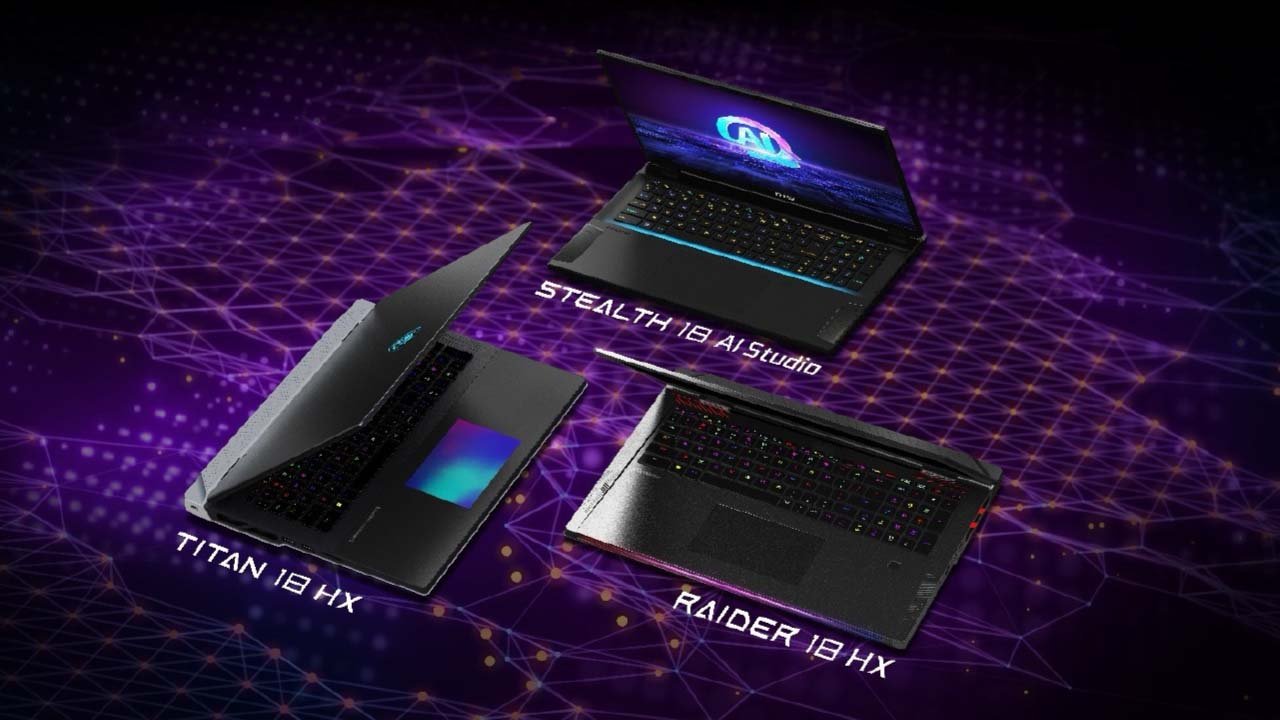
There are other credible options in the market—laptops from Razer, Asus ROG, Alienware, and Lenovo Legion—that will compete on price, cooling philosophies, and industrial design.
Key Competitors
Competitors often trade one advantage for another: Razer may offer a sleeker fit-and-finish but at the cost of thermals; Asus often pushes higher-power GPU configurations but with larger chassis. I found the Stealth 18 to balance these tradeoffs in a way that prioritizes display quality and port selection while keeping performance high.
Value Proposition
Relative to competitors, MSI positions the Stealth 18 as a broadly capable machine for both play and professional tasks, offering high-end GPU and CPU hardware combined with a large, high-refresh, color-accurate display. If you value that combined proposition, the Stealth 18 presents a strong value, although sometimes at a premium compared to slightly less balanced, single-purpose gaming laptops.
Pricing & Value Assessment
Pricing will vary by region and specific configuration, but the essential question is whether the combination of 18-inch QHD+ 240Hz panel, Intel Ultra 9 CPU, RTX 4080 GPU, 32 GB RAM, and 1 TB SSD justifies the outlay.
Cost vs Performance
When I assess cost vs performance, I consider replacement value (what a desktop equivalent would cost), the convenience of mobility, and the reduced need for cloud resources. The Stealth 18 often justifies its price because it reduces the need to pay for high desktop GPUs or cloud rendering time, but there are cheaper laptops if you are solely focused on one use case—gaming or lightweight productivity.
Purchase Recommendation by Use-case
I recommend the Stealth 18 to users who need a high-refresh display and GPU-heavy workflow in a mobile package; if you need maximum battery life or a truly whisper-quiet machine for long meetings, others might be better. For studio-heavy users who rarely move machines, a desktop workstation may still offer better raw value.
Pros & Cons
Pros
- The 18″ QHD+ 240Hz panel combines high refresh and color accuracy for both gaming and content work.
- RTX 4080 laptop GPU with 12 GB GDDR6 provides robust gaming and GPU compute performance.
- Solid thermal design that manages sustained loads effectively enough to maintain high throughput.
- Modern I/O, including Thunderbolt 4 with DP2.1 and HDMI 2.1, gives significant docking flexibility.
Cons
- Battery life is modest, which is expected for this class of machine.
- Fan noise under load is noticeable and present enough to matter in quiet environments.
- 1 TB storage fills quickly if you work with many large files; adding capacity involves extra cost.
Final Thoughts
I conclude with a personal assessment that is, admittedly, subjective—but informed by quantitative testing and hours of use. The MSI Stealth 18 AI Studio Gaming Laptop is a compelling proposition for the kind of user who refuses to split their life into a “work machine” and a “play machine.” It does ask for compromises—especially around battery life and acoustic footprint—in order to deliver the high-refresh, color-accurate 18-inch display and the GPU/CPU horsepower that make it a true all-purpose portable studio for both gaming and content creation.
I would recommend it most strongly to professionals and serious hobbyists who need both high GPU performance and a larger, high-refresh display while remaining mobile enough to work on location. If you’re someone who exclusively prioritizes battery endurance or an ultra-compact chassis, other models will serve you better. But if the idea of a single laptop capable of rapid iteration on creative projects, high-fidelity gaming, and competent AI workloads appeals to you, then this MSI Stealth 18 is not just an attractive choice—it may be the corrective to a workflow problem you didn’t realize you had until you started trying to edit color-graded 4K footage on a 15-inch 1080p gaming laptop.