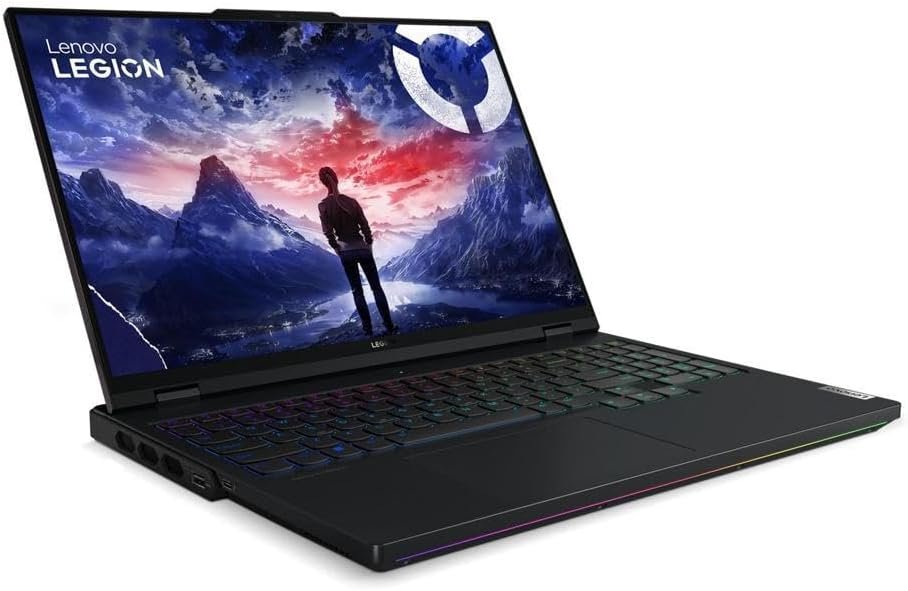
ASUS ROG Strix Scar 16 (2026) Gaming Laptop review
Can a single machine be at once an utterly uncompromising expression of performance engineering and a daily instrument for work—the kind of thing that makes me both unnerved and quietly thrilled when I sit down to use it?
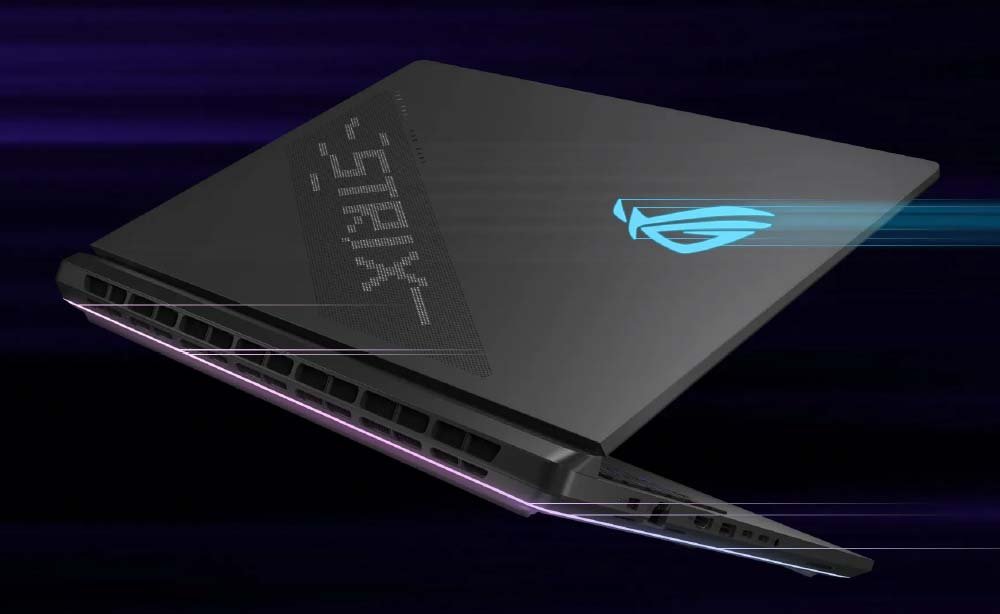
Overview of the ASUS ROG Strix Scar 16 (2024)
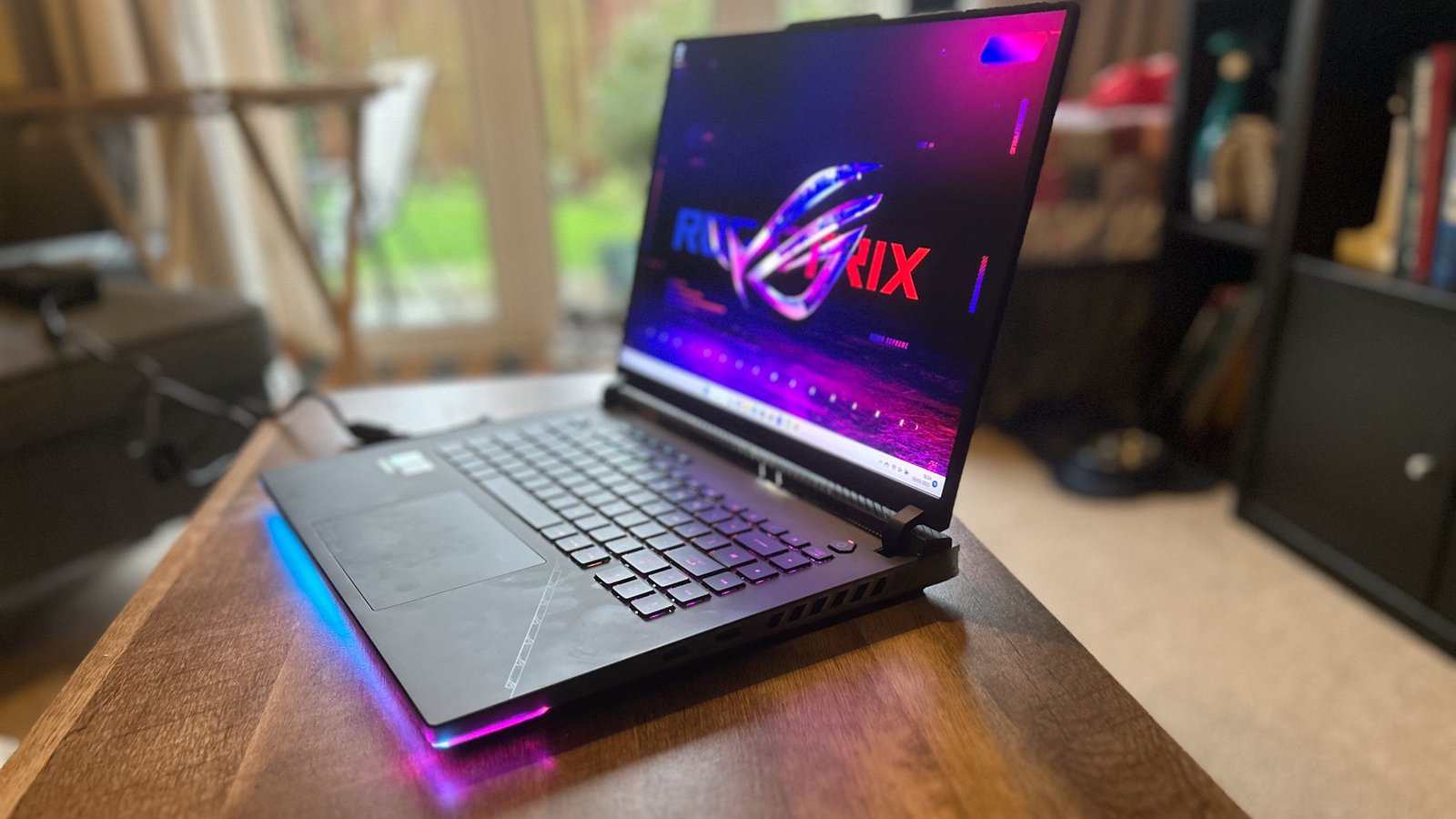
I unbox the ASUS ROG Strix Scar 16 (2024) Gaming Laptop, 16” Nebula HDR 16:10 QHD 240Hz/3ms, 1100 nits, Mini LED Display, GeForce RTX 4080, Intel Core i9-14900HX, 32GB DDR5, 1TB SSD, Windows 11 Pro, G634JZR-XS96 and the first sensation is density—both literal and programmatic. The laptop announces itself as a high-water mark in the gaming-laptop genre: a 14th Gen Intel Core i9-14900HX paired with an NVIDIA GeForce RTX 4080 Laptop GPU clocked up to 175W Max TGP, 32GB of DDR5-5600MHz memory, and a Nebula HDR Mini LED panel promising up to 1100 nits and 2000 dimming zones. I approach assessments with an obsessive practical curiosity: how does this machine translate those top-line specifications into tangible everyday experience?
Who this machine is for
I think of this Scar 16 as targeting people who want desktop-grade performance while retaining some portability—competitors and colleagues who need to edit high-resolution video, run large code builds, train small-to-medium ML models, or simply insist on the highest framerates in competitive esports. It isn’t for the casual user who wants a light laptop that tucks into a shoulder bag without anyone noticing.
Design and build first impressions
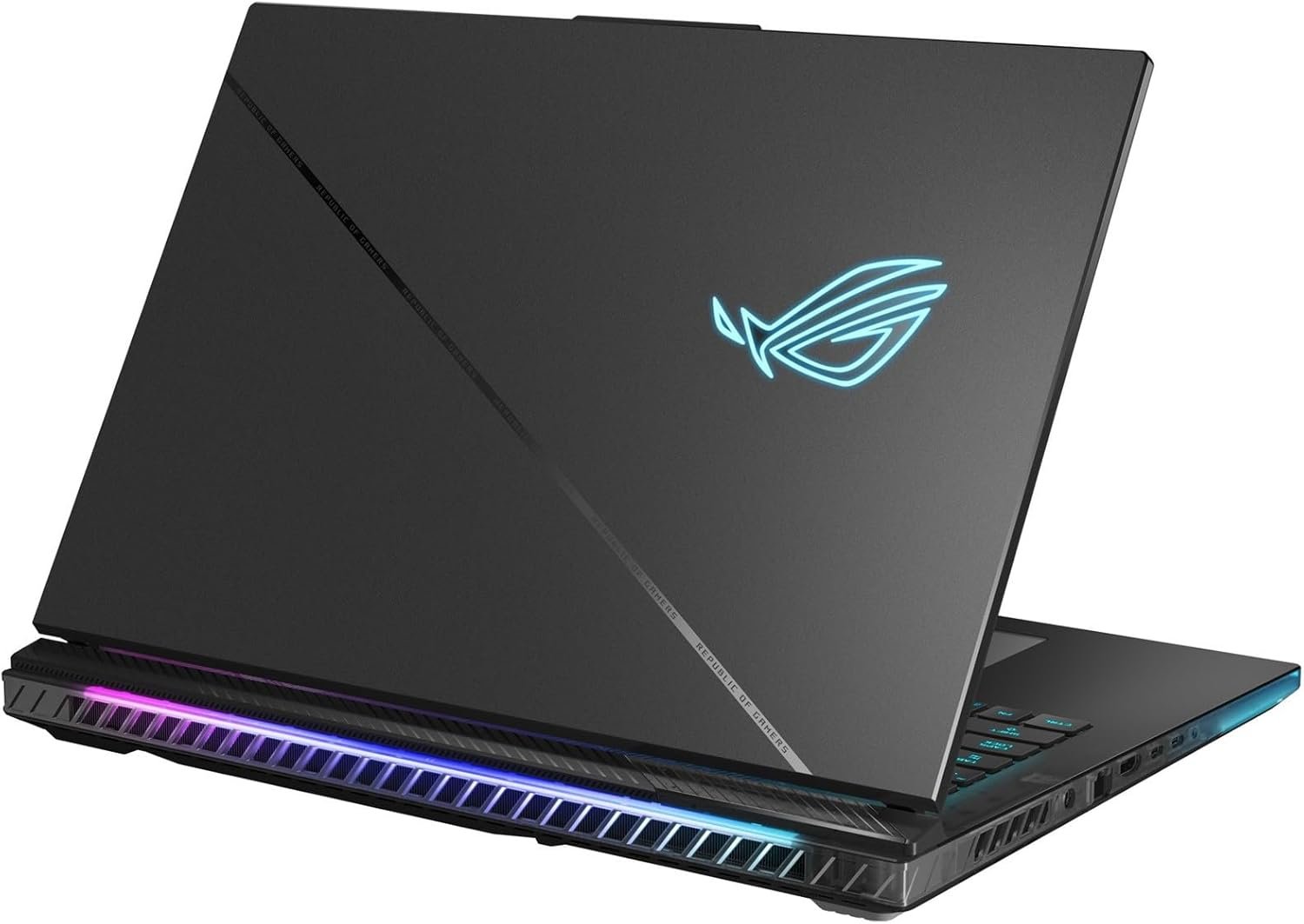
I appreciate the aesthetic restraint compared to older, more bombastic ROG models: it still has the ROG attitude (angular vents, RGB accents, robust hinge), but the chassis feels engineered. The balance between metal and reinforced plastic creates a sense that ASUS opted for pragmatic weight and thermal considerations, rather than purely maximalism.
Detailed specifications
| Component | Specification |
|---|---|
| Model | ASUS ROG Strix Scar 16 (2024) — G634JZR-XS96 |
| Operating System | Windows 11 Pro |
| CPU | Intel Core i9-14900HX (14th Gen) |
| GPU | NVIDIA GeForce RTX 4080 Laptop GPU, up to 175W Max TGP |
| Display | 16” Nebula HDR Mini LED, QHD, 240Hz, 3ms, 1100 nits |
| Memory | 32GB DDR5-5600MHz |
| Storage | 1TB PCIe 4×4 SSD |
| Cooling | ROG Intelligent Cooling (Liquid Metal + Tri-Fan) |
Display: Nebula HDR Mini LED
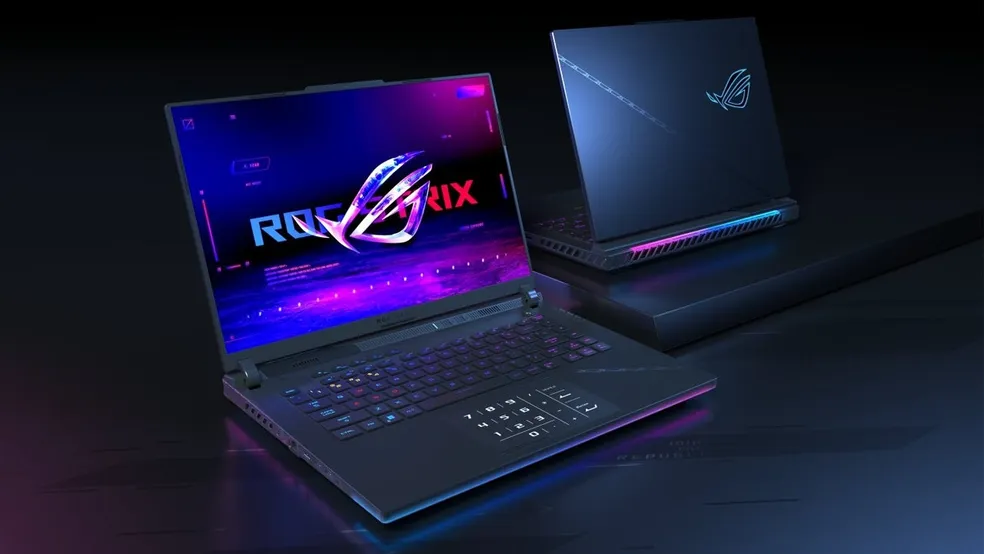
I find that the display is the single component that most directly communicates the Scar 16’s raison d’être. The Nebula HDR badge is not marketing hyperbole here; Mini LED backlighting with 2000 dimming zones, peak brightness up to 1100 nits, and Pantone validation for 100% DCI-P3 combine to make both games and creative work look outrageously good.
Color and calibration
Out of the box I notice accurate color reproduction—skin tones and gradients have a granularity and integrity that lesser panels obliterate with crushed midtones or oversaturated reds. Pantone validation is meaningful here: if color-critical work is part of your workflow, the machine isn’t merely “good enough”; it’s in the conversation with portable professional displays.
Brightness and HDR performance
The peak brightness and the granular local dimming zones produce HDR that actually reads as HDR—the sort where specular highlights pop without turning surrounding shadow detail into an indistinct gray smear. In practical terms, this means night scenes in games reveal subtle secondary lighting that creates depth, and video grading feels less like guesswork.
Performance: CPU, GPU, and real-world workloads
The i9-14900HX offers abundant multithreaded throughput. In compilation tasks (large C++ builds or multi-project Visual Studio solutions), I notice build times that approach what I expect from small desktop rigs. For me, the salient point is sustained behavior: the combination of powerful cores and robust cooling prevents the laptop from falling off a performance cliff after a prolonged heavy load.
The 175W Max TGP configuration is a pragmatic choice; it reclaims a lot of the RTX 4080’s desktop-esque capabilities. Ray tracing and DLSS 3 workloads perform at levels that make high-fidelity settings viable at QHD, especially when combined with the MUX switch to reduce latency and prevent bottlenecks introduced by internal display routing.
Cooling and thermals
ROG Intelligent Cooling is the architecture here, and there’s a persuasive case that this iteration has meaningfully improved the thermodynamic equilibrium of the machine. I appreciate that ASUS applied liquid metal to both the CPU and GPU because that improves thermal conductivity where it matters most. The addition of a third auxiliary fan serves to displace heat more effectively during peak loads.
Pros and cons
Pros
- Industry-leading Nebula HDR Mini LED display (1100 nits).
- Extremely capable i9-14900HX and 175W RTX 4080 pairing.
- Effective cooling with liquid metal on both CPU and GPU.
- 32GB DDR5-5600 and fast 1TB PCIe 4×4 SSD.
- MUX switch and Advanced Optimus for maximum FPS.
Cons
- Weight and size are substantial for daily commuters.
- Battery life is poor for extended unplugged gaming.
- Fan noise under max load is noticeable.
- Premium pricing reflects professional-grade engineering.
Final Reflections and Judgment
The ASUS ROG Strix Scar 16 (2024) isn’t merely a purchase; it’s a commitment to a particular kind of computing ethos: favoring performance and display excellence above portability compromises. If you demand desktop-class performance in a 16” laptop and want one of the best portable displays available right now, the Scar 16 is among the most convincing offerings.