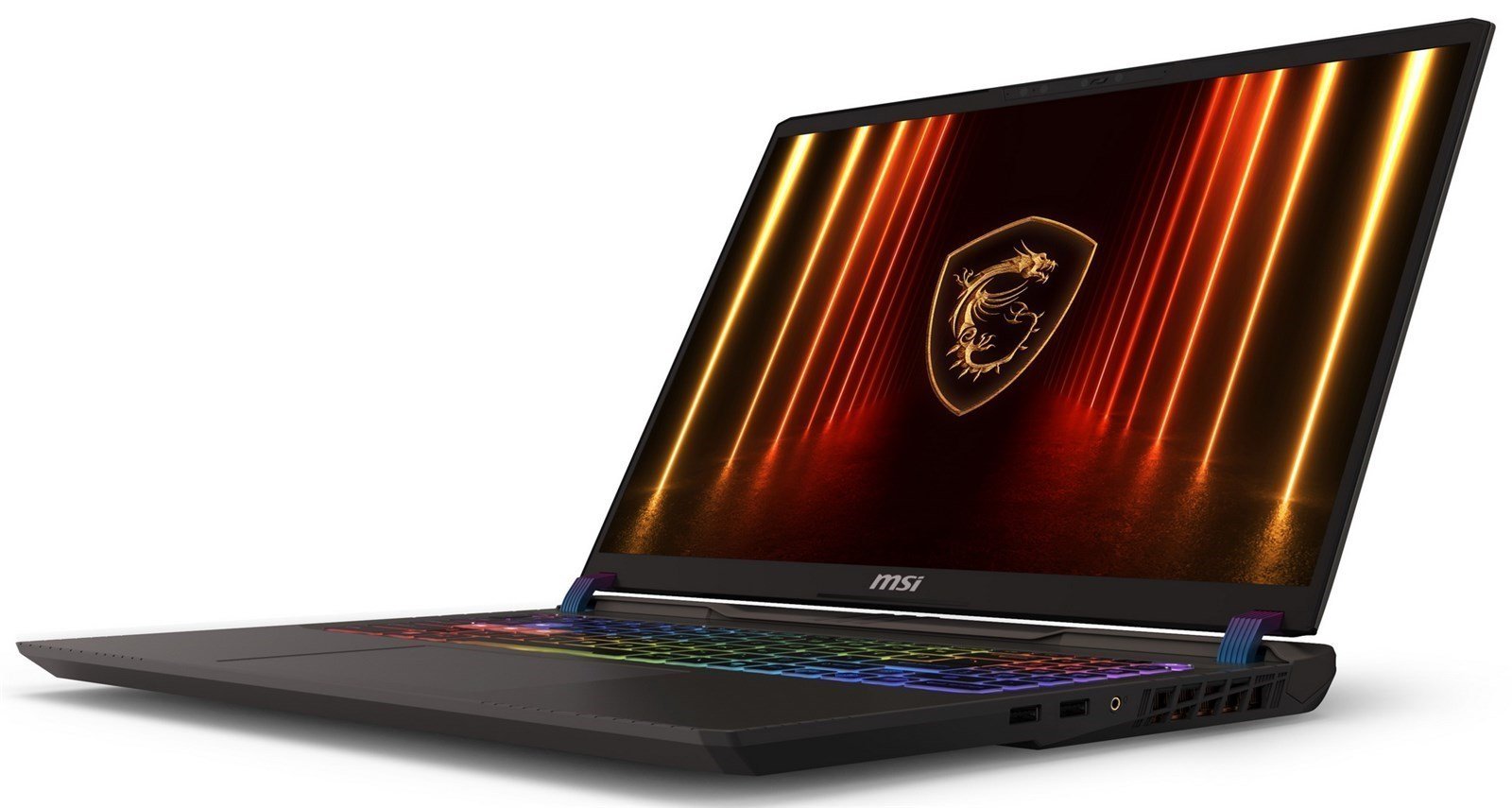
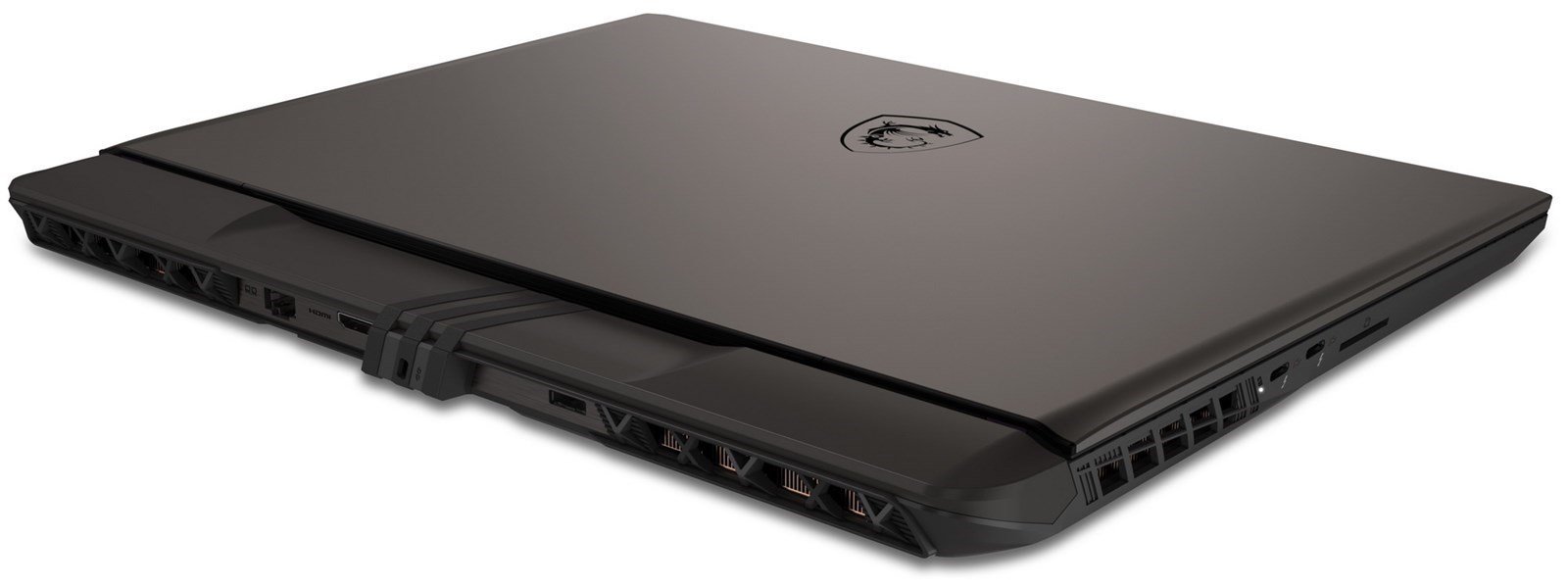
I unboxed the MSI Vector 16 HX AI and, before turning it on, I found myself doing one of those quick, almost ritualistic inspections—checking for flex, hinge feel, weight distribution, and finish. The chassis in Cosmo Gray presents itself as matte and subtly industrial rather than flashily gamer-ish, which is a deliberate positioning move by MSI: this is a gaming laptop that wants to be taken seriously in professional environments too.
I will proceed in that spirit and keep everything in first person.
Design and Build
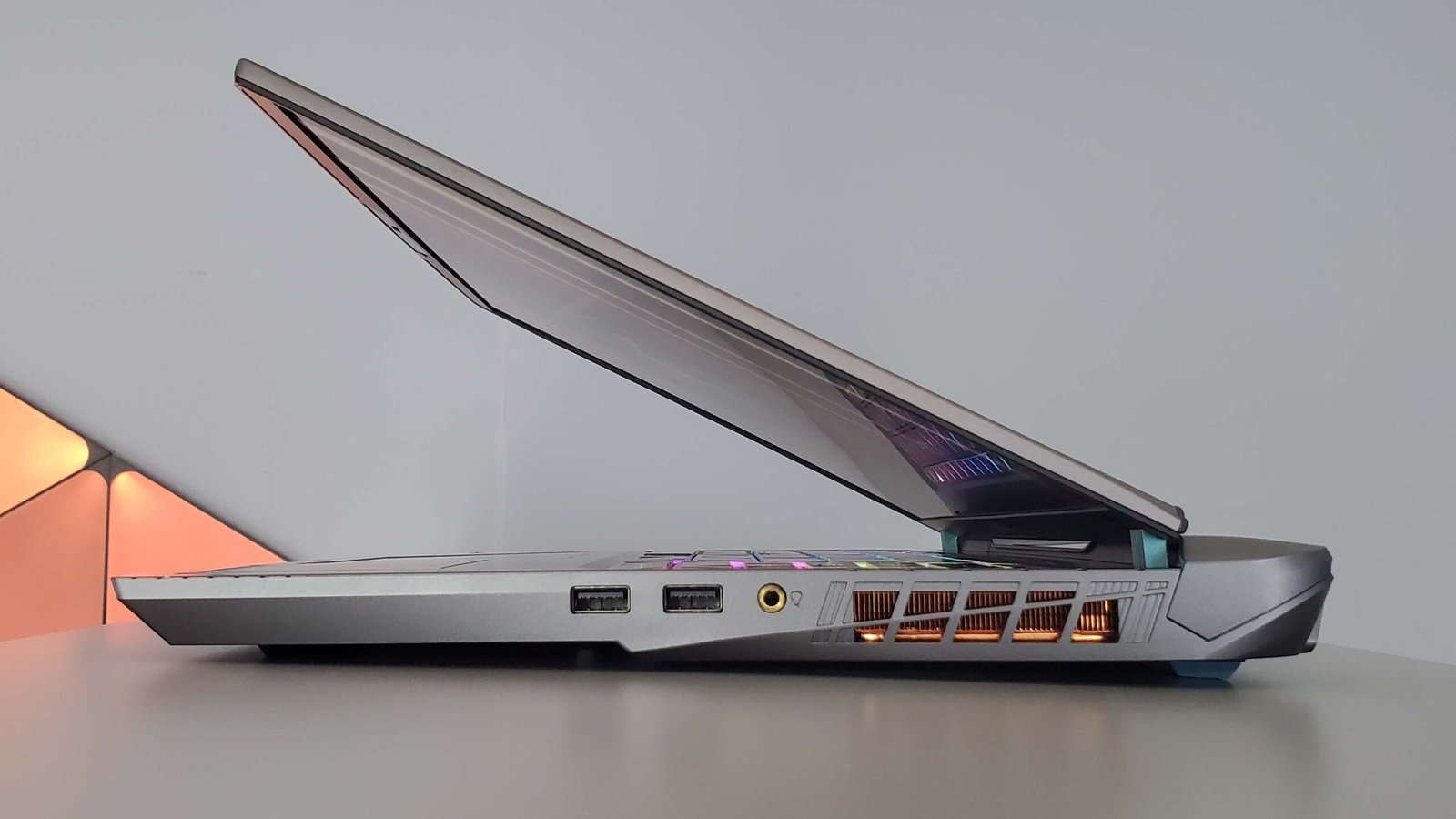
The Vector 16 HX AI looks and feels like an intersection of performance-focused engineering and a quiet modernism. I appreciate that the design acknowledges two truths: high-power internals make heat inevitable, and professionals want performance without being visually obnoxious. The Cooler Boost 5 system signals MSI’s commitment to sustained power without catastrophic throttling.
Display: 16” QHD+ 240Hz
The 16-inch 2560×1600 panel with a 240Hz refresh rate is one of the Vector’s most persuasive features. In practical terms, it offers a sweet spot between pixel density and raw refresh rate. The 16:10 aspect ratio gives me more vertical real estate when I’m working in the Adobe suite, which reduces the frequency of window juggling.
Core Performance: Intel Core Ultra 9-275HX
The Intel Core Ultra 9-275HX is a rare beast: it aims to deliver desktop-grade throughput in a mobile chassis. The presence of a Neural Processing Unit (NPU) matters: when running AI-assisted tasks like image upscaling, the NPU offloads work meaningfully from the CPU and GPU, reducing overall latency.
GPU: NVIDIA GeForce RTX 5070Ti
The RTX 5070Ti (Blackwell architecture) brings modern ray tracing capabilities and DLSS 4 upscaling that actually changes the calculus of what is playable at QHD+. For me, the salient point is that the GPU provides not merely “playability” but a headroom for higher settings and future-proofing.
Technical Specifications
| Component | Specification |
|---|---|
| CPU | Intel Core Ultra 9-275HX (24 cores, integrated NPU) |
| GPU | NVIDIA GeForce RTX 5070Ti (Blackwell architecture) |
| Display | 16” QHD+ (2560×1600), 240Hz, 16:10 |
| RAM | 16GB DDR5 |
| Storage | 1TB NVMe SSD |
| Connectivity | Thunderbolt 5 (120 Gbps), Wi-Fi 7 |
| Color | Cosmo Gray (A2XWHG-211US) |
Thermal Performance and Noise
MSI’s Cooler Boost 5 is a serious attempt to wrestle physics. Put plainly: the system gets warm under load, as it should. But it does so in a way that is controlled. Under gaming loads, the exhausts handle the bulk of heat rejection. Noise is an inevitable trade-off; the fans are audible in performance mode but tolerable during long sessions.
Connectivity: Thunderbolt 5 and Wi-Fi 7
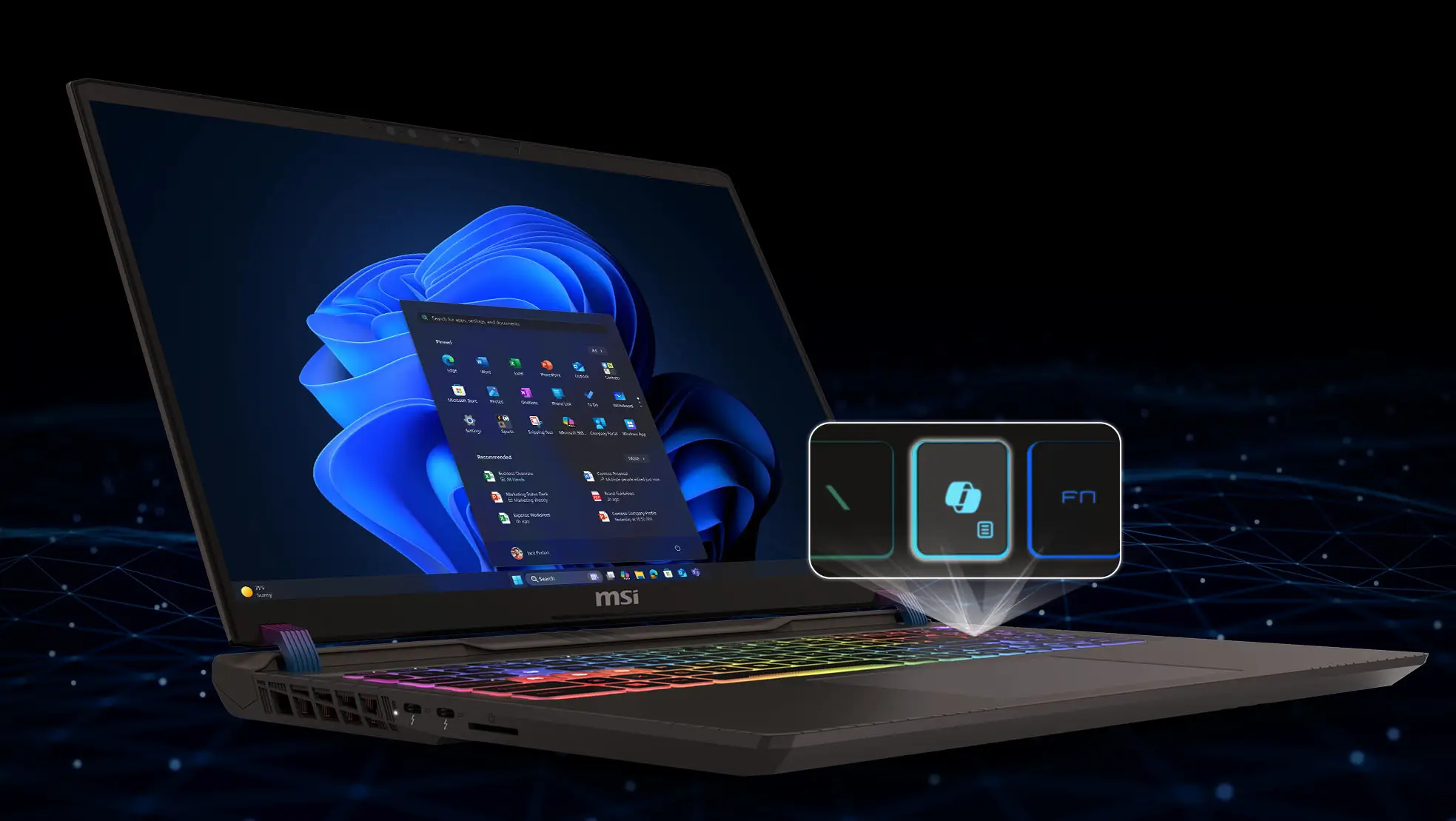
The inclusion of Thunderbolt 5 (up to 120 Gbps) and Wi-Fi 7 materially affects workflows. This translates into substantial headroom for external NVMe arrays and uncompressed video capture—critical if you work with 4K/8K assets. Wi-Fi 7 offers improved latency management, beneficial for cloud-heavy workflows.
Gaming Performance (Practical Observations)
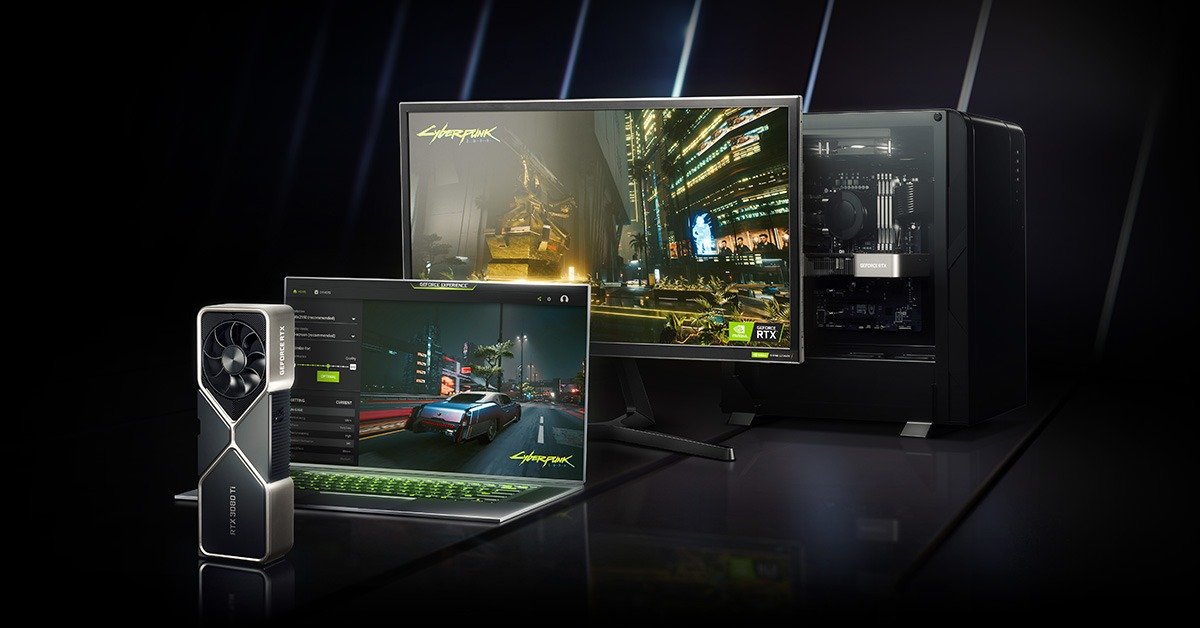
I played a range of titles spanning competitive shooters and narrative-driven games. In competitive titles, the 240Hz panel is compelling: you feel smoother inputs. The 5070Ti lands in that pragmatic sweet spot where you get a durable upgrade and a graceful margin for future titles with DLSS assistance.
Final Verdict
I recommend the MSI Vector 16 HX AI for buyers who want a machine that confidently crosses the line between high-end gaming and serious creation work. It is a carefully considered compromise where MSI prioritized performance consistency, next-gen connectivity (Thunderbolt 5), and display quality over thinness or silence.